











A Dialogue with Yojiro Imasaka
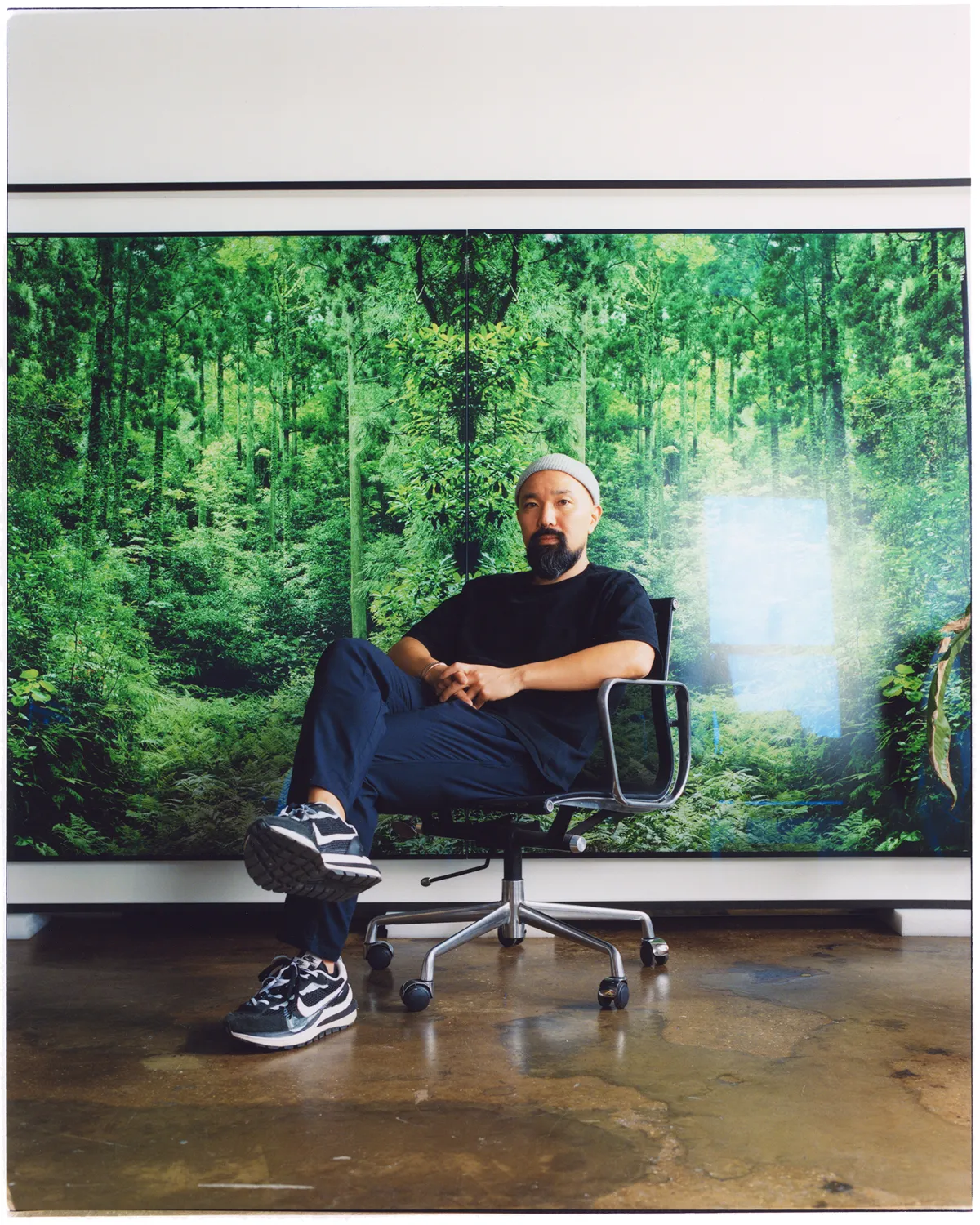
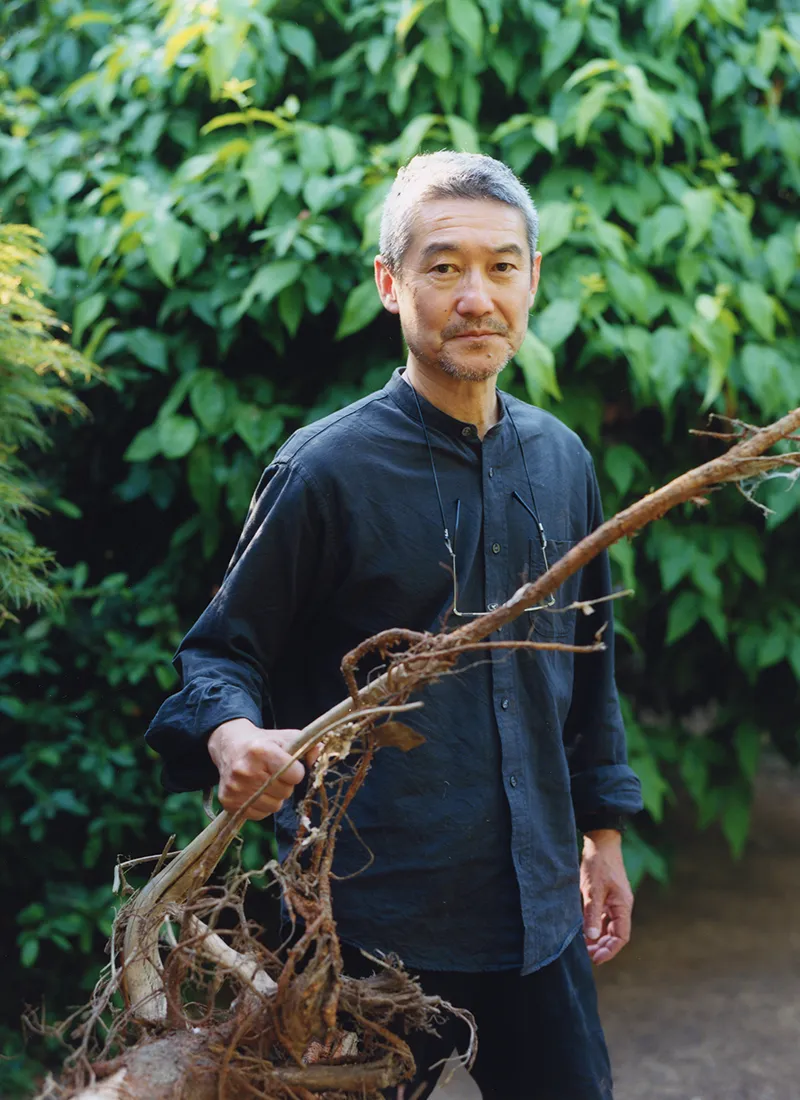
Photo:Yuto Kudo
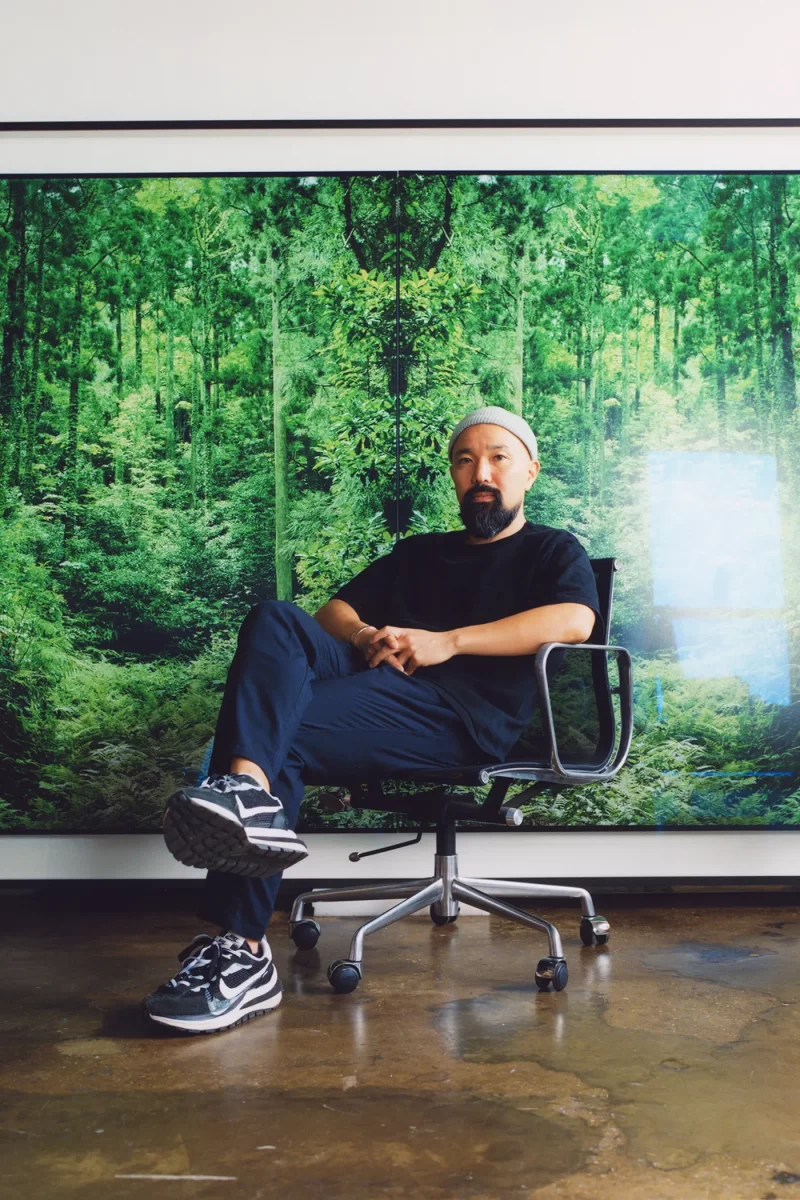
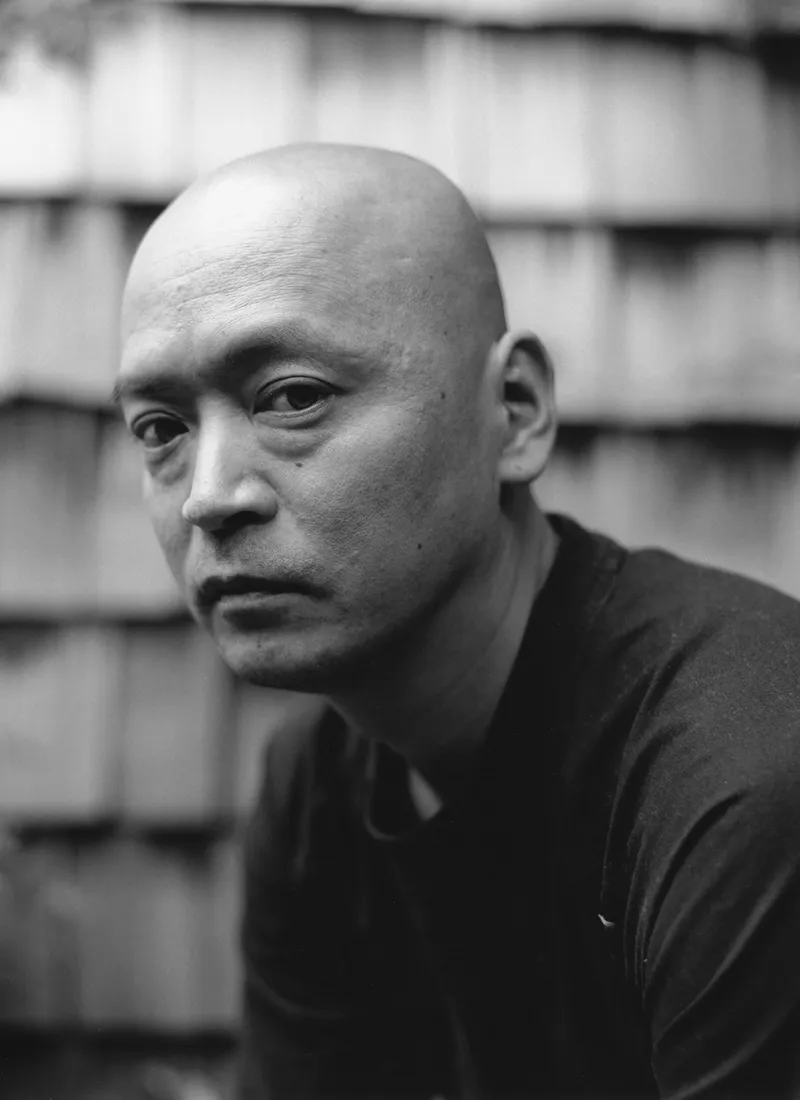
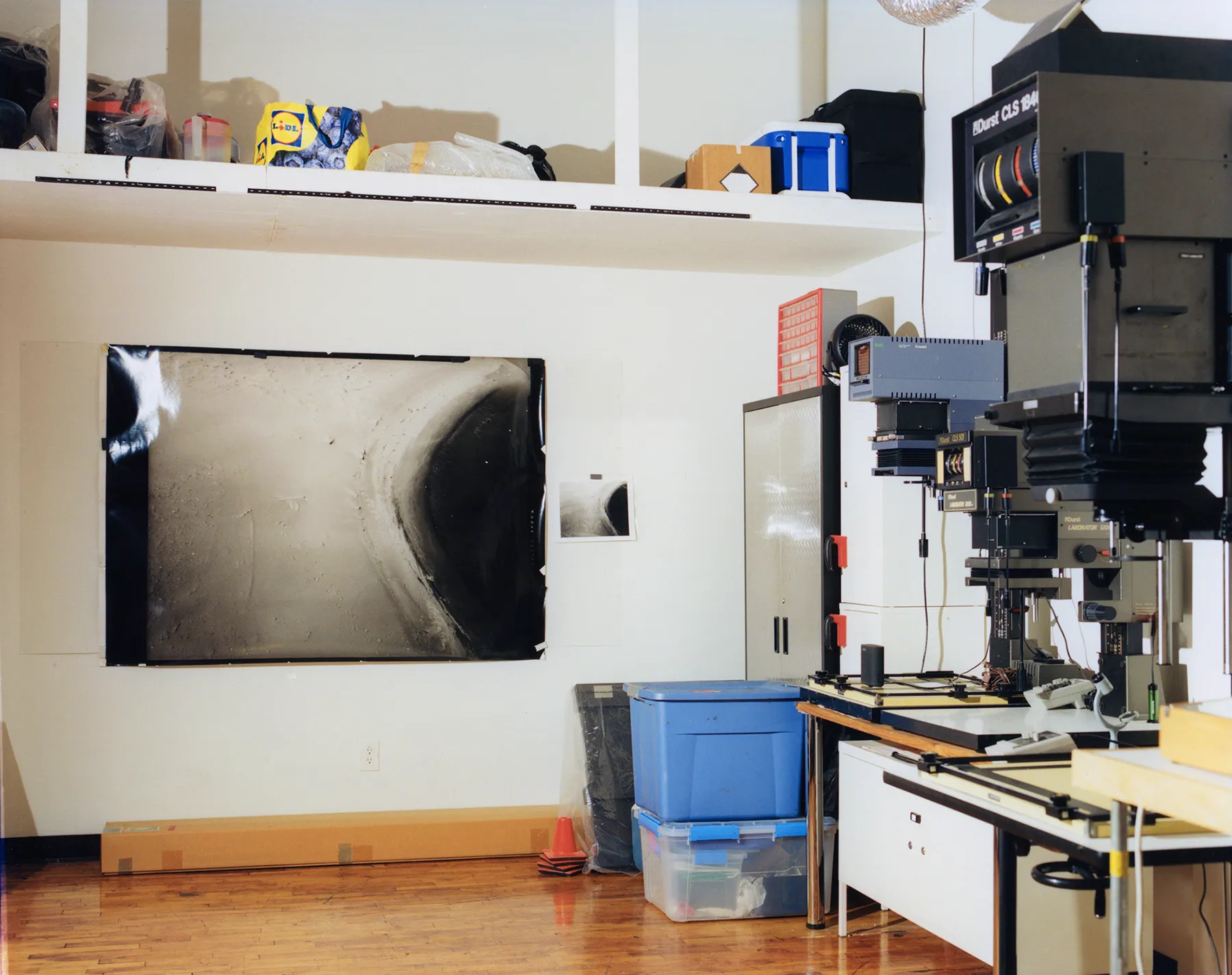
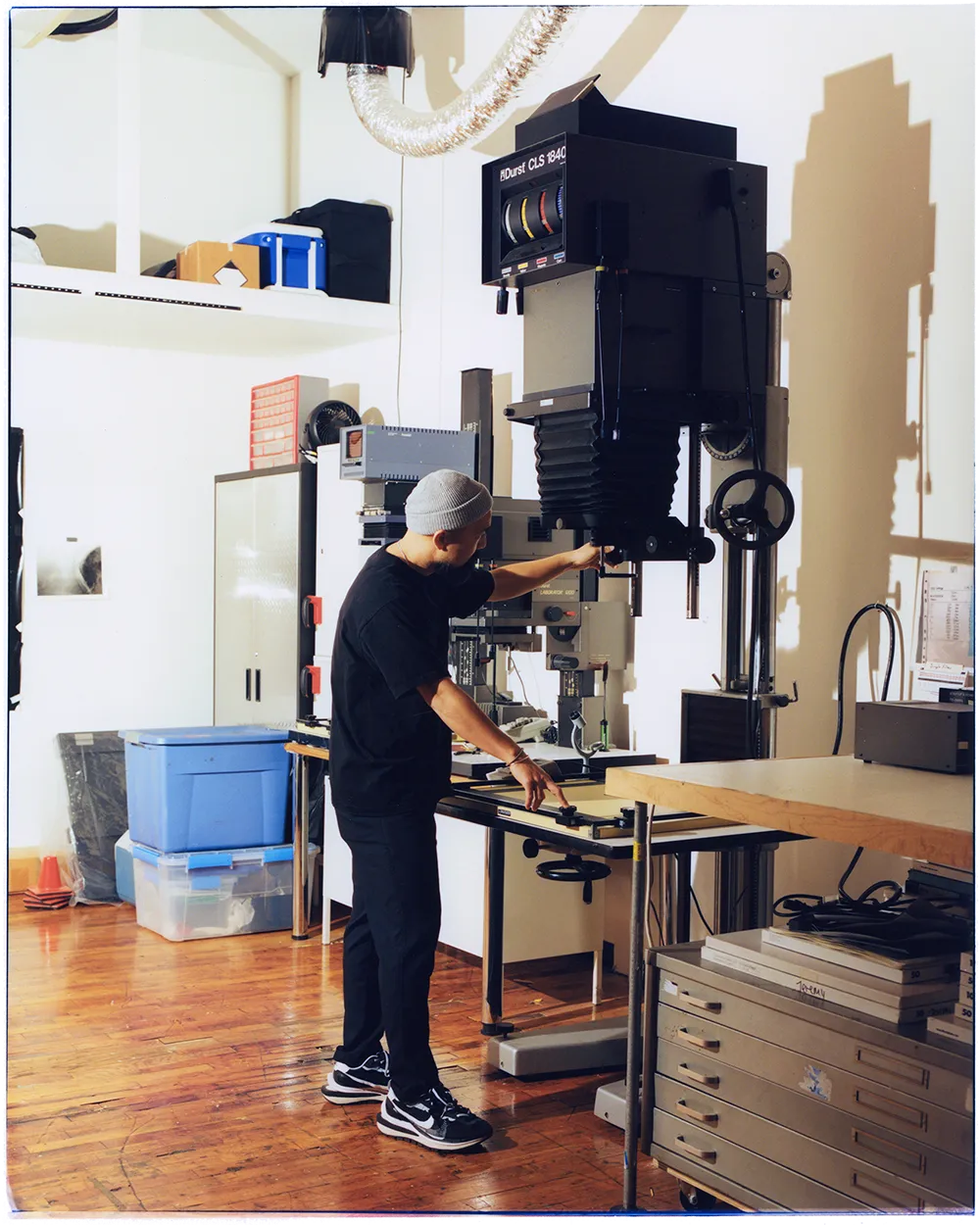
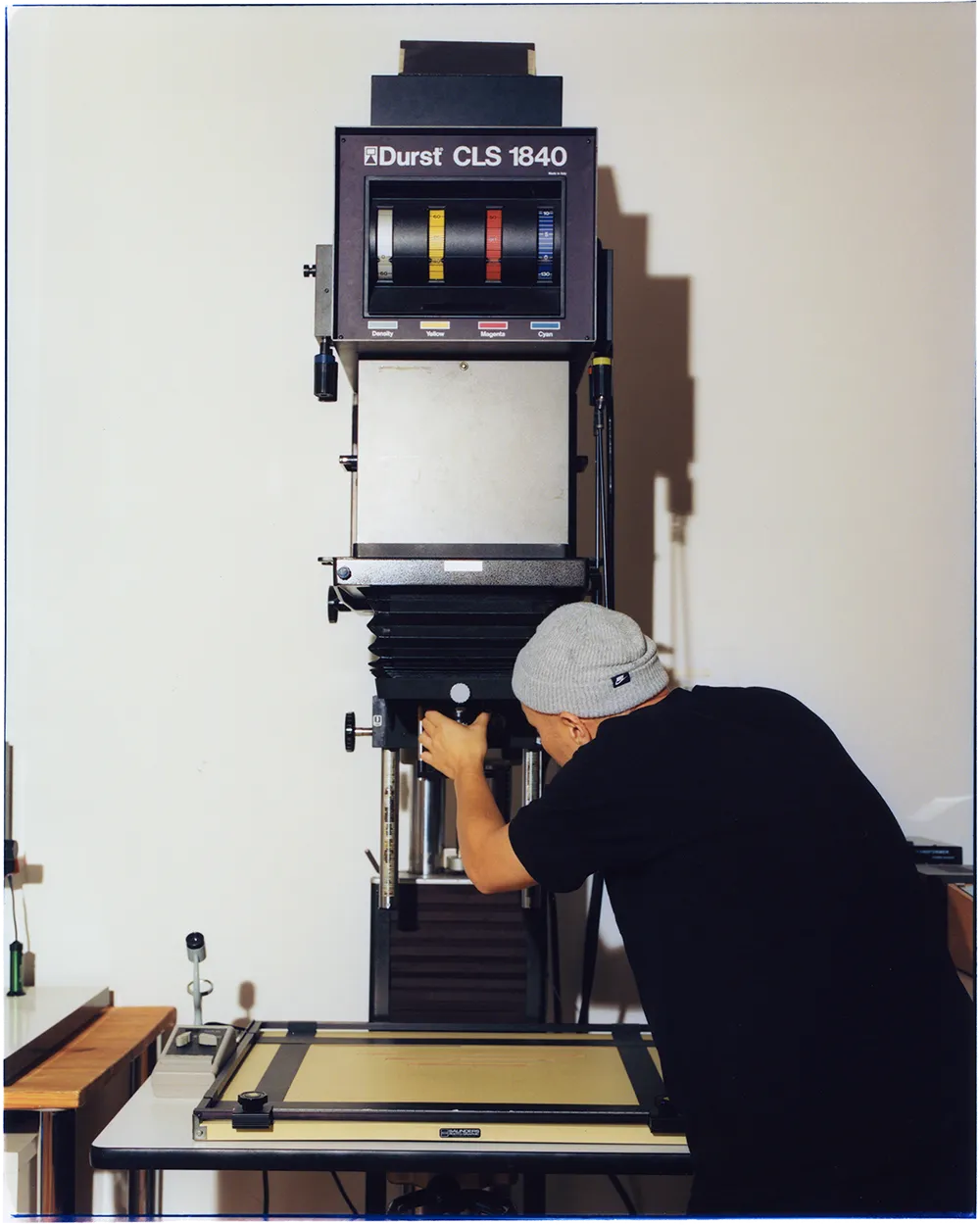
East Williamsburg, Brooklyn, New York. An industrial neighborhood lined with red-brick buildings, its walls covered with layers of graffiti. Amid the studios, workshops, and galleries that define the area stands the atelier of Japanese artist Yojiro Imasaka.
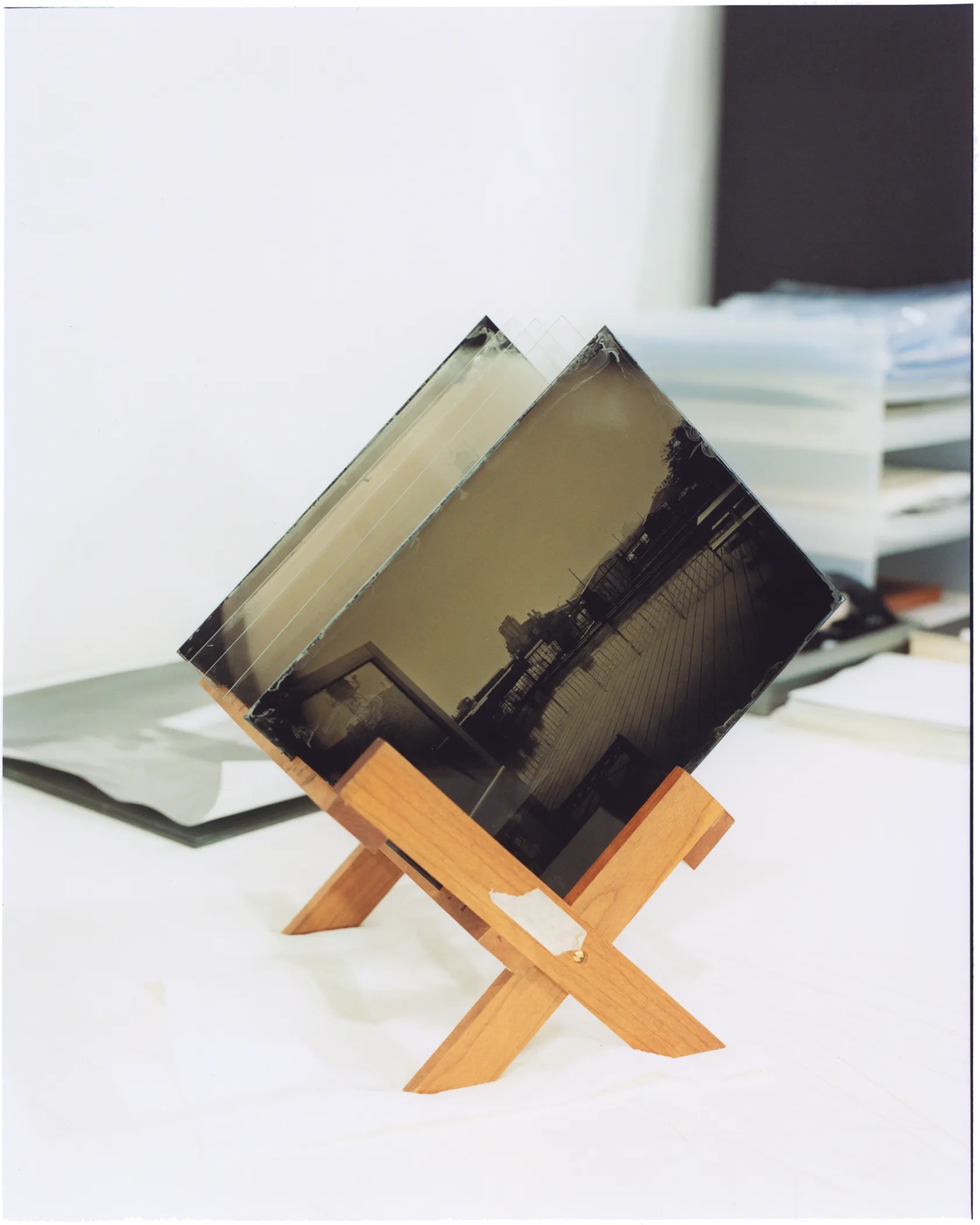
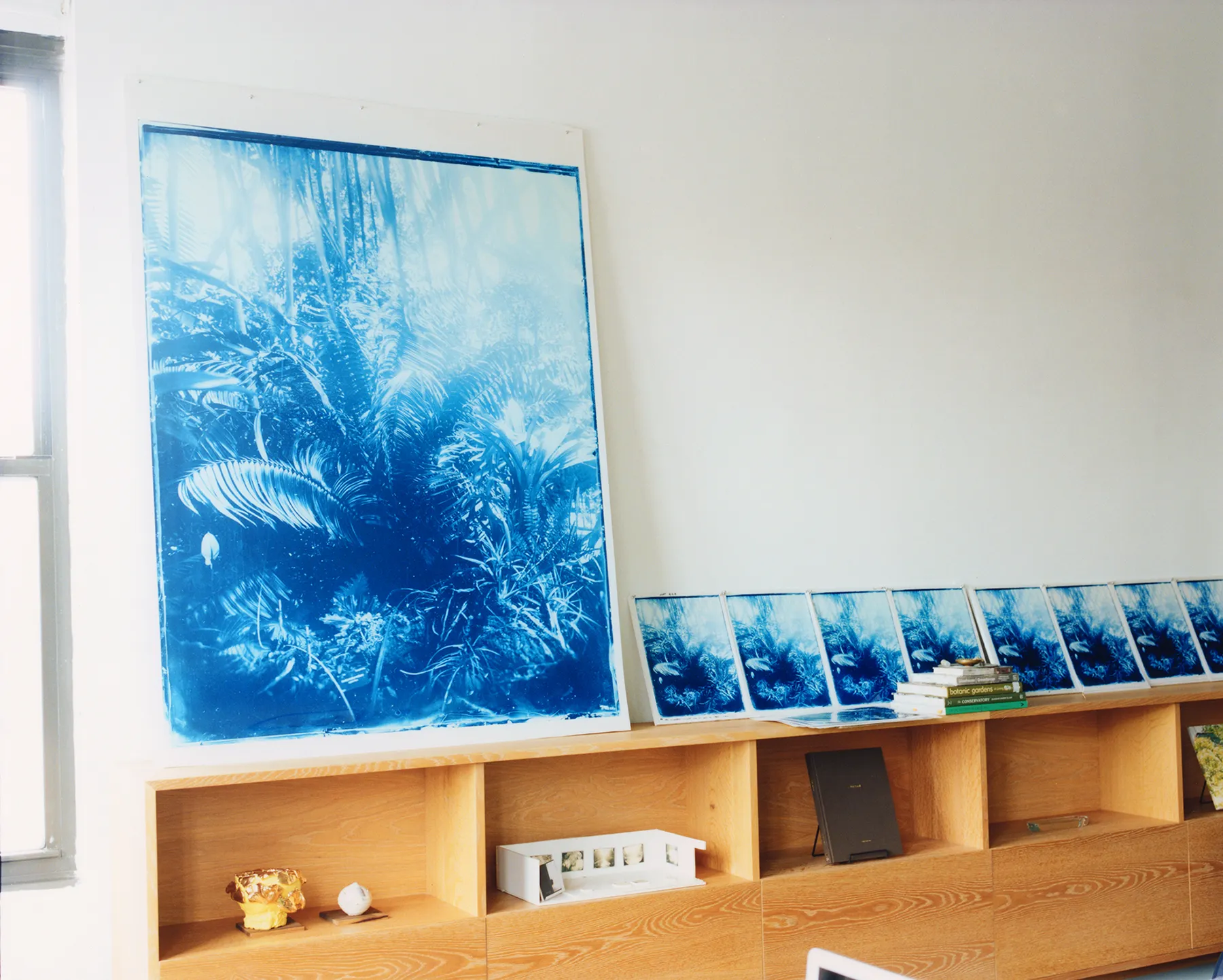
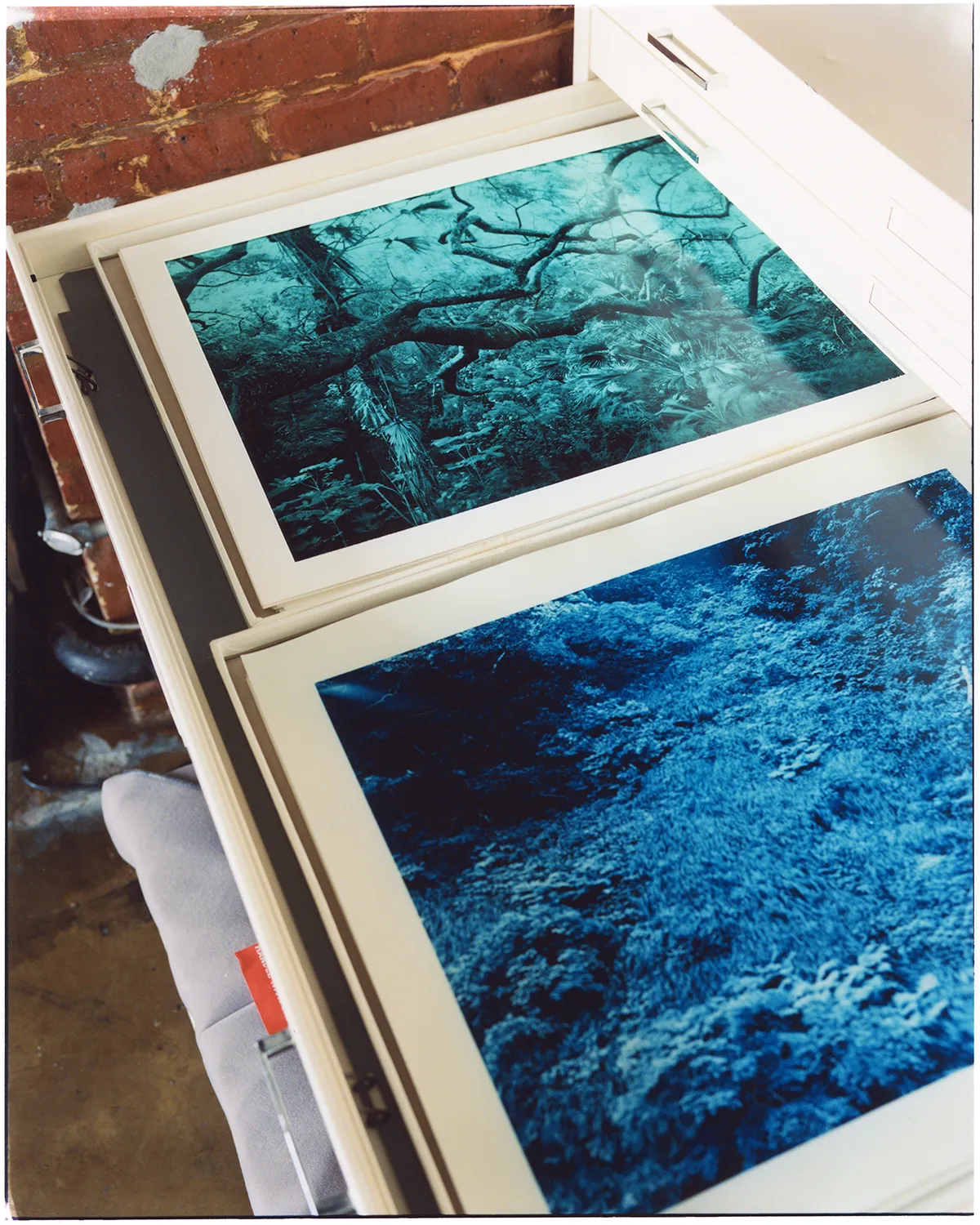
Born in Hiroshima, Imasaka graduated from the College of Art at Nihon University before moving to the United States in 2007. Since then, he has worked primarily through the medium of photography. In recent years, his practice has centered on the wet-plate collodion process, creating and exhibiting works using glass negatives.
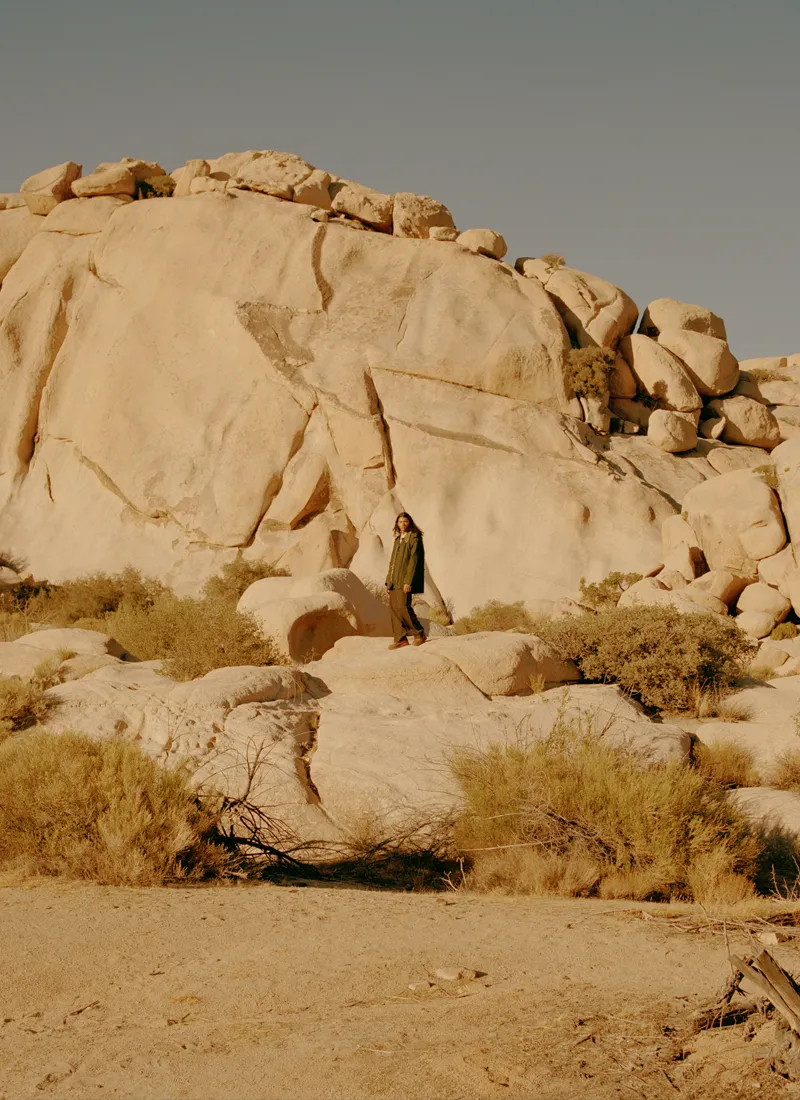
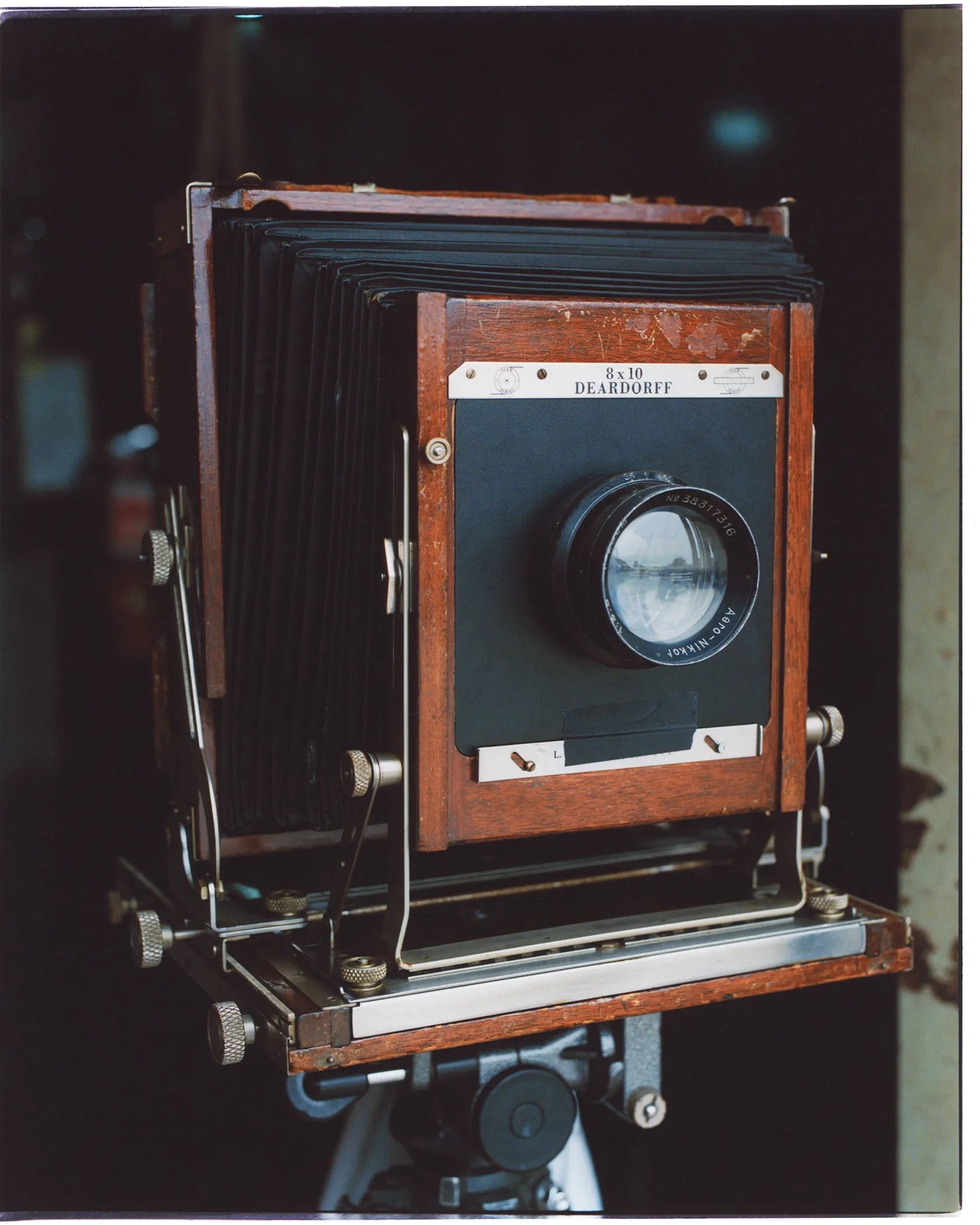
In an era dominated by digital technology, Imasaka travels the world in search of landscapes with an 8×10 large-format camera, glass plates barely one millimeter thick, chemical solutions, and a portable darkroom in tow.
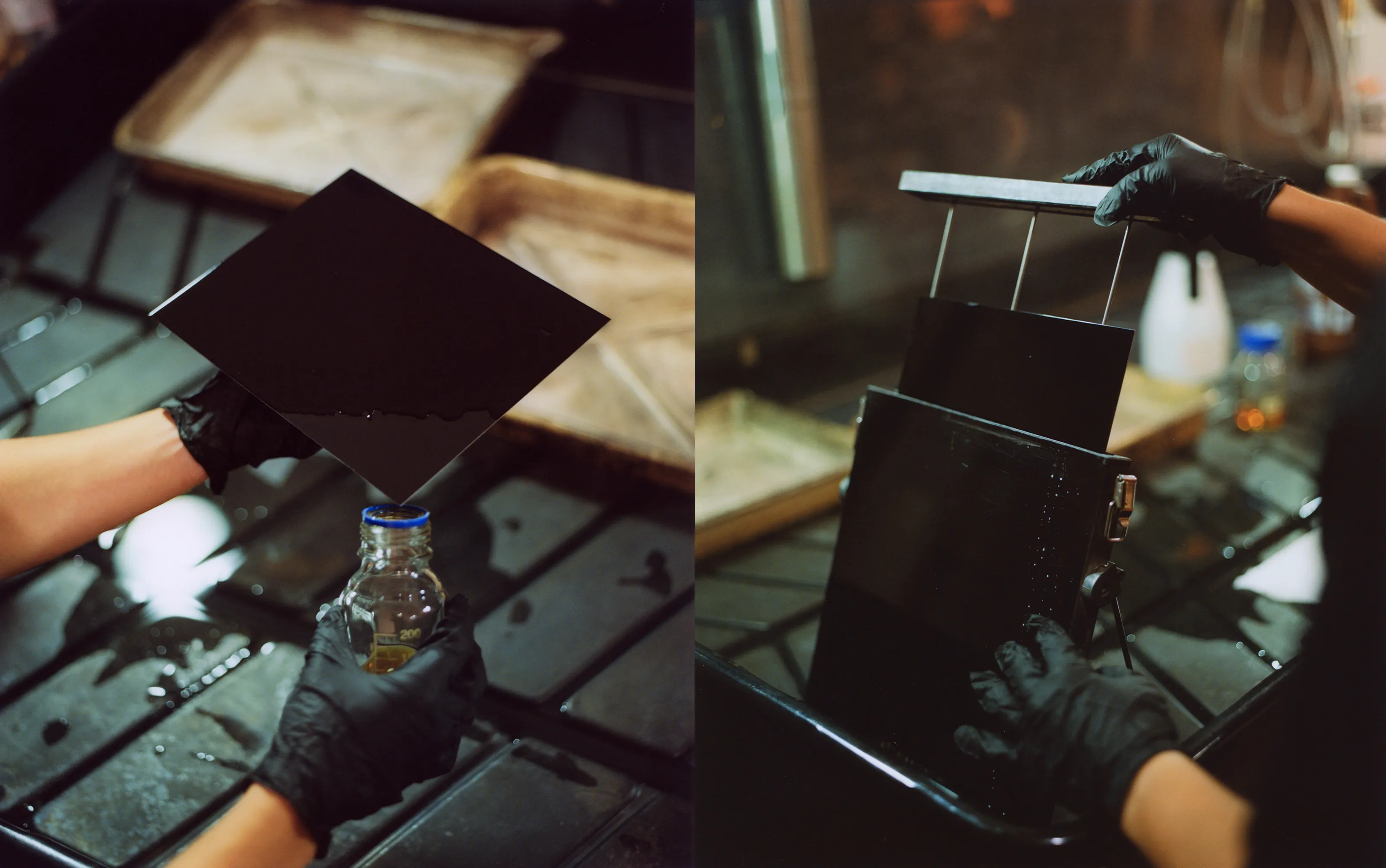
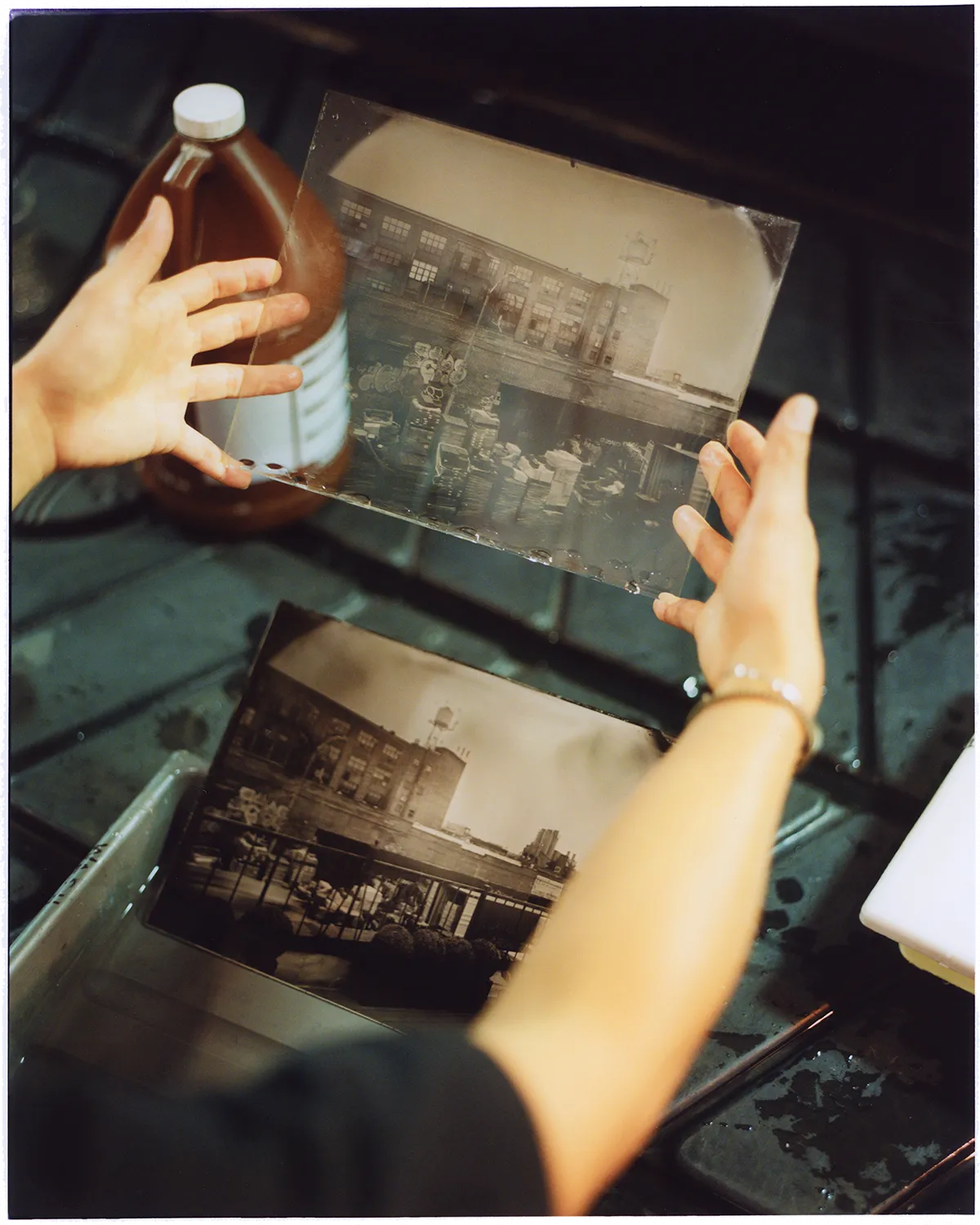
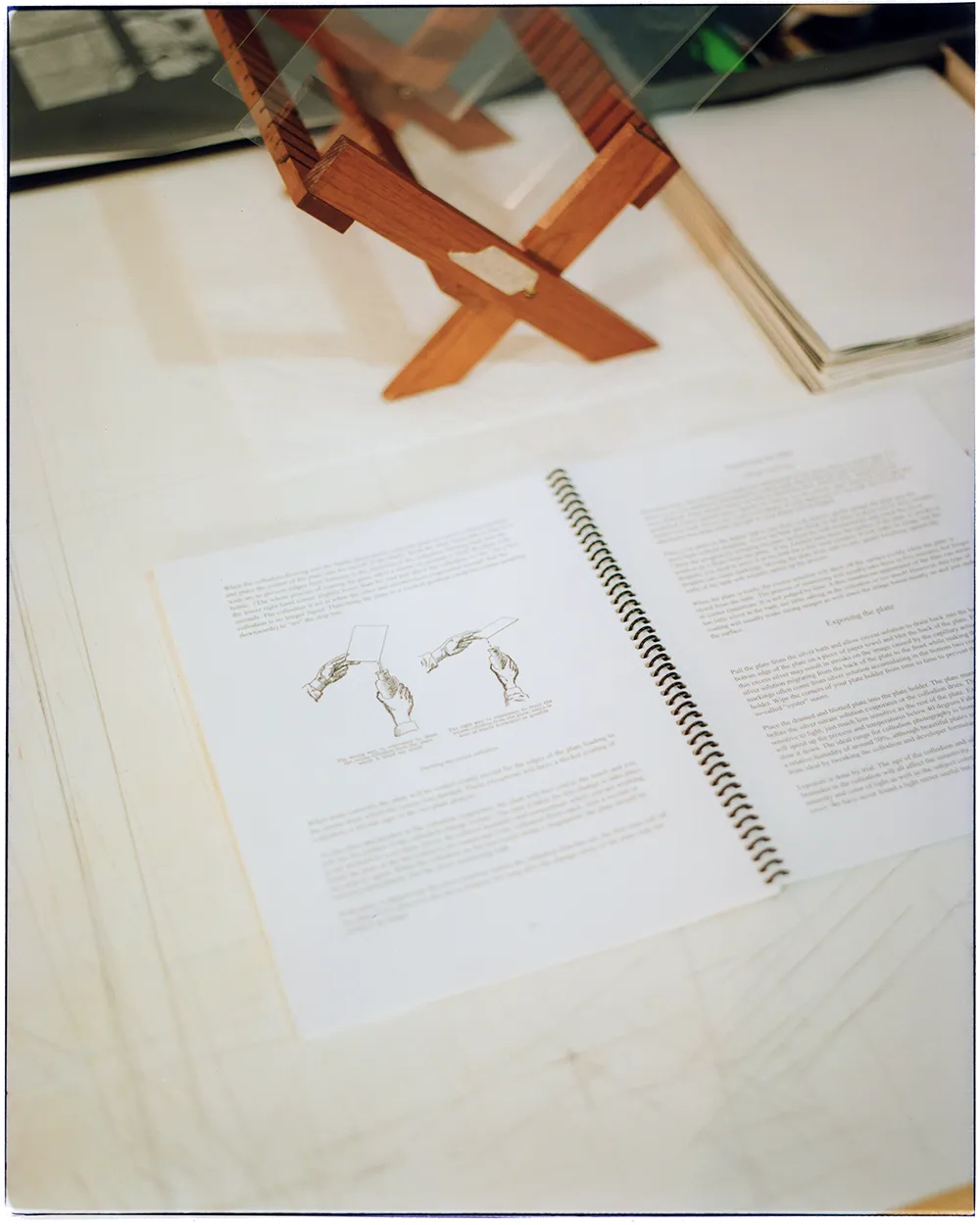
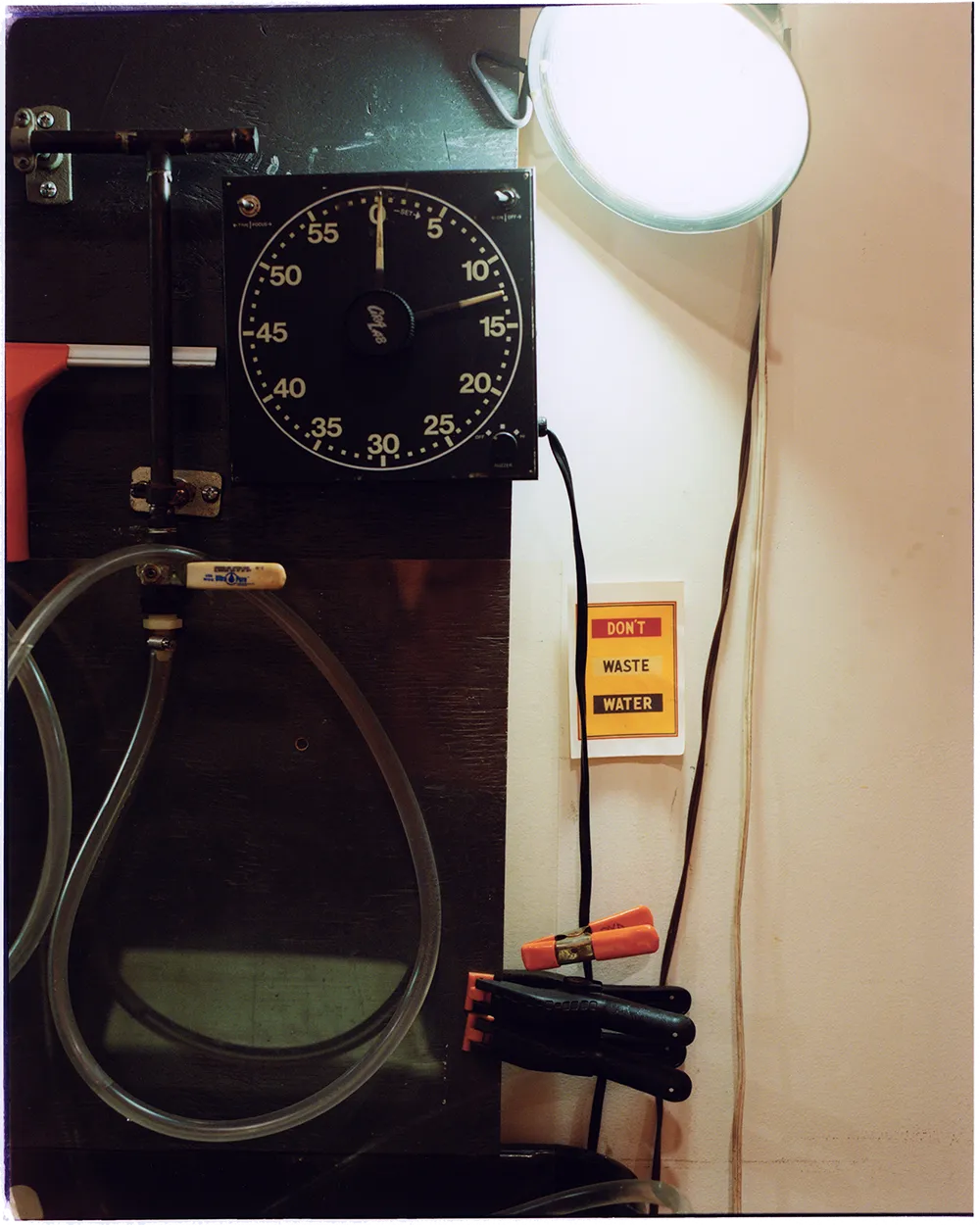
The wet-plate process requires meticulous preparation before a single image can be made. A carefully cleaned glass plate must be coated with chemicals, sensitized, and exposed. Once photographed, the plate must immediately be brought into a darkroom, where development and fixing must be completed within a very limited window of time. The process demands not only technical mastery and experience, but also a deep understanding of chemistry.
The resulting image is profoundly affected by environmental conditions such as temperature, humidity, and available light. In the natural landscapes that serve as Imasaka’s subjects, these variables become even more difficult to control, regardless of one's level of expertise.
Yet he continues to work with the wet-plate process because of a steadfast commitment: to create something that endures beyond its own time.
Constantly questioning himself and refusing compromise, Imasaka’s words reveal a philosophy of making that feels increasingly important in an age shaped by digital convenience.
In contemporary society, where trends emerge and disappear at unprecedented speed, notions of authenticity and value can sometimes feel diluted. At the same time, however, there are signs of a growing countercurrent. More people are beginning to seek substance over immediacy.
It was through this shifting cultural moment—and in the years following the pandemic—that Imasaka turned to wet-plate photography as a means of expression. Like writing a letter rather than sending an email, it is a practice rooted in time, intention, and density of thought. Human beings remain, at their core, profoundly analog. Because of this, physical connections continue to communicate something that digital systems cannot fully convey.
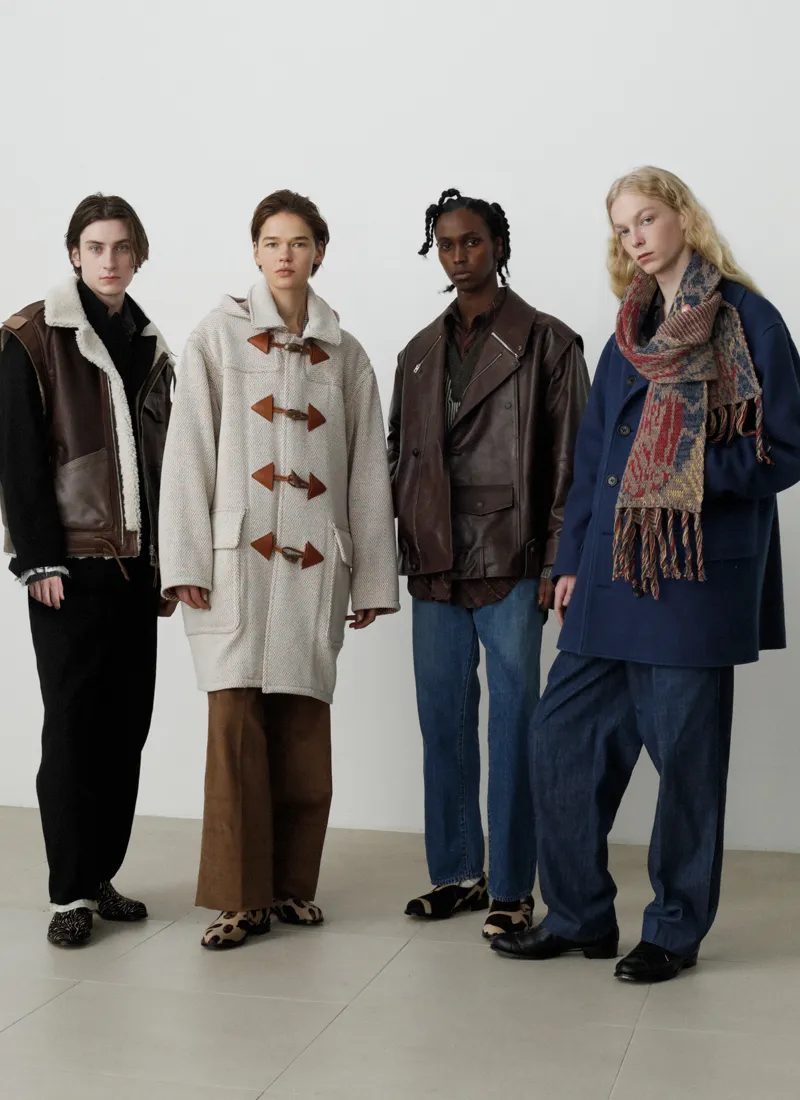
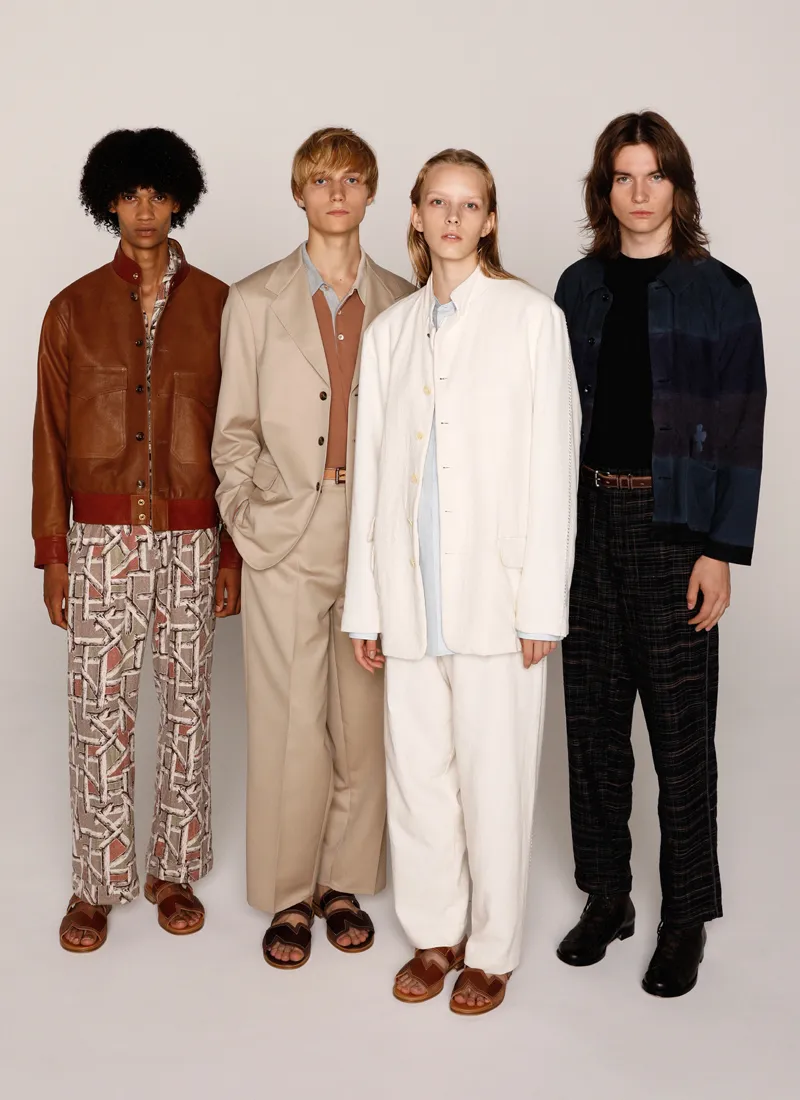
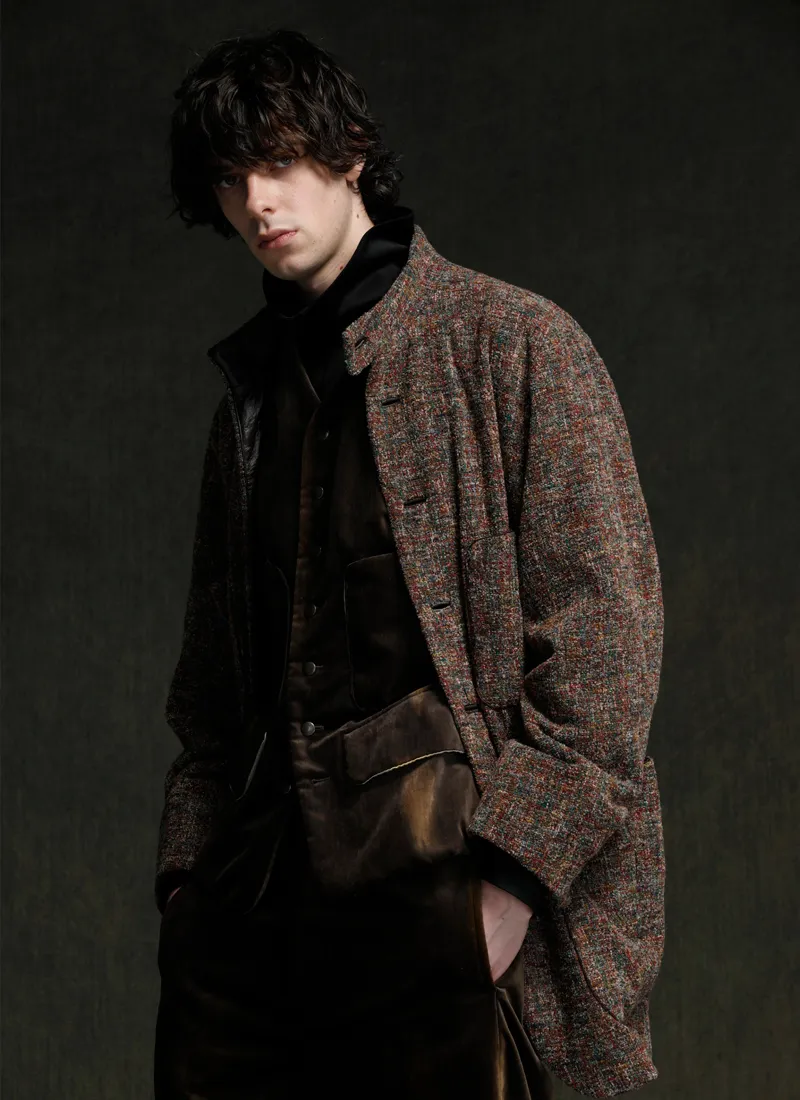
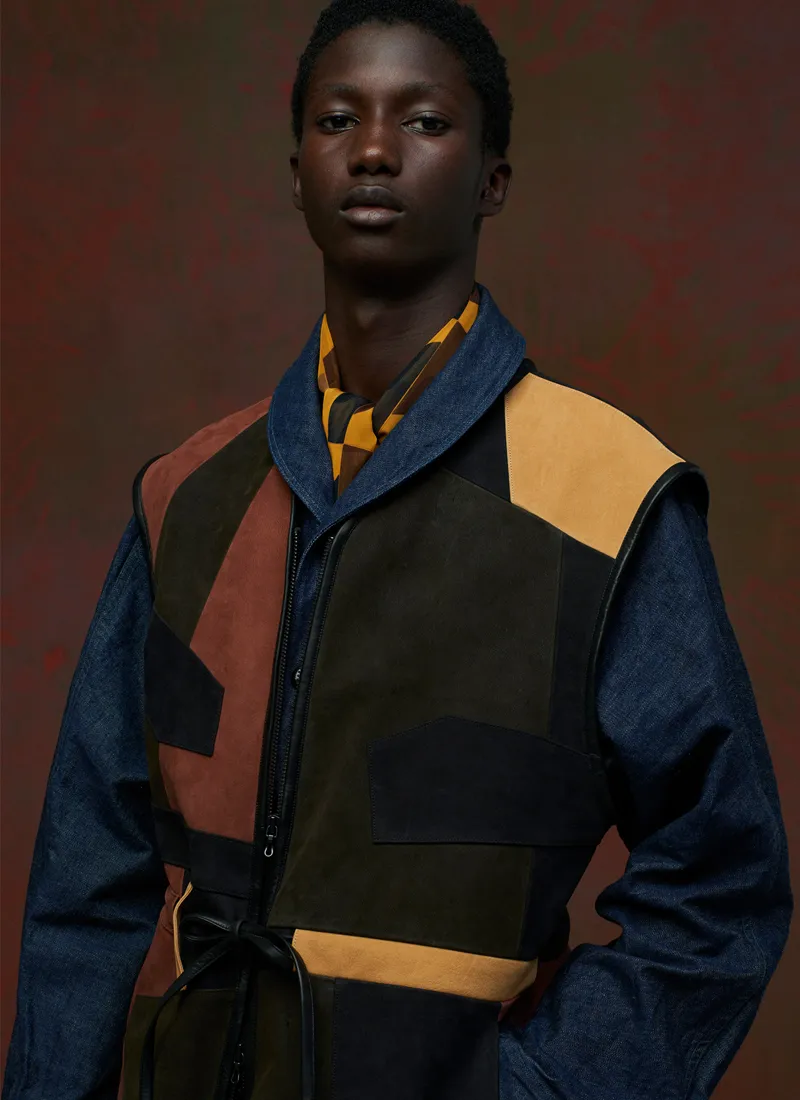
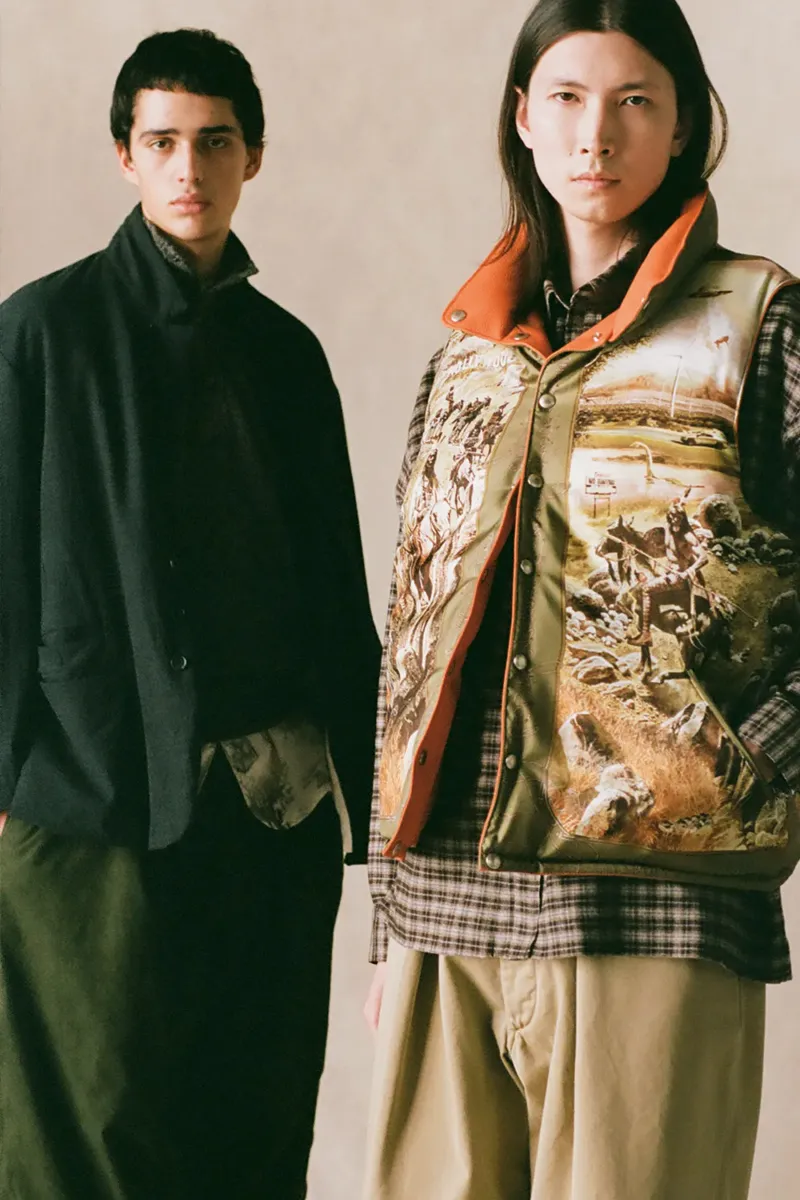
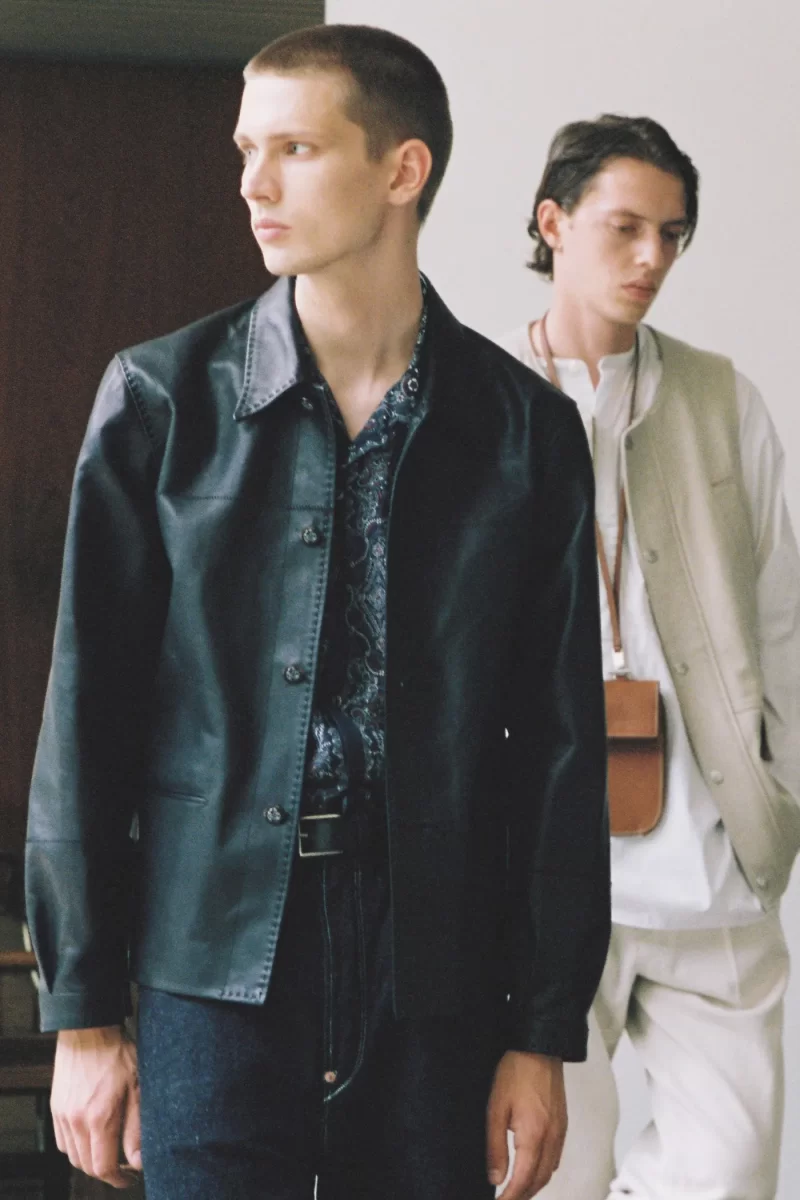
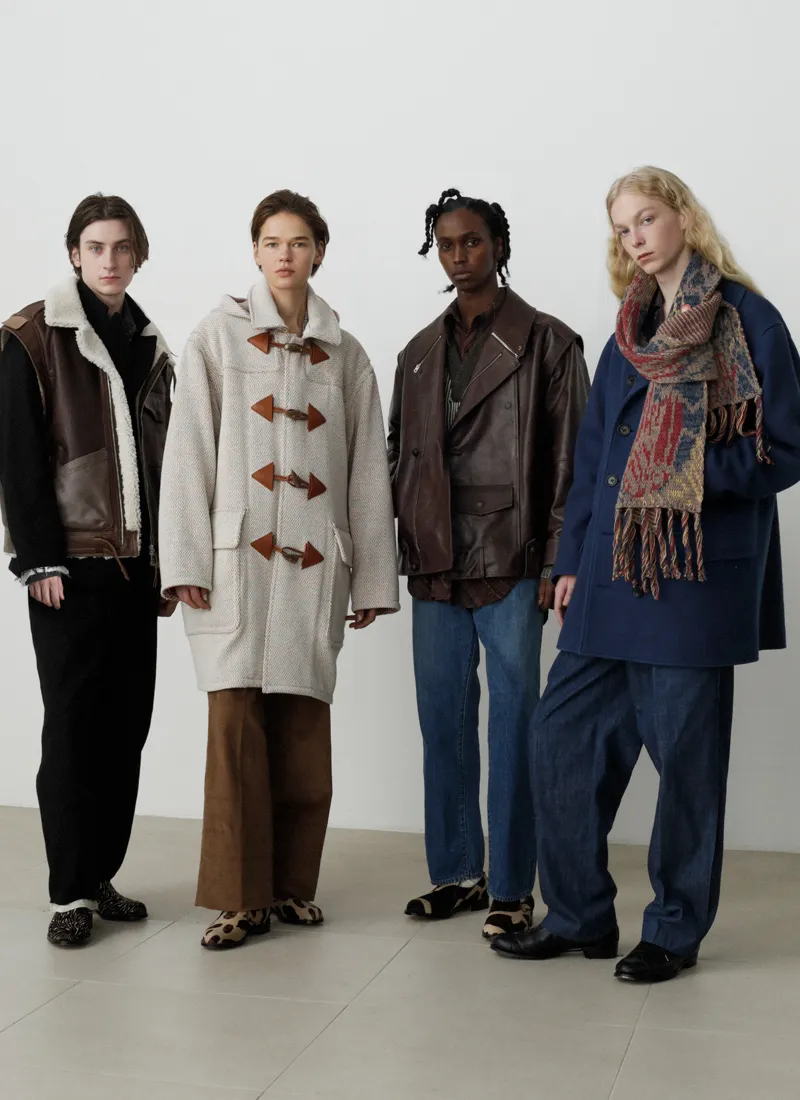
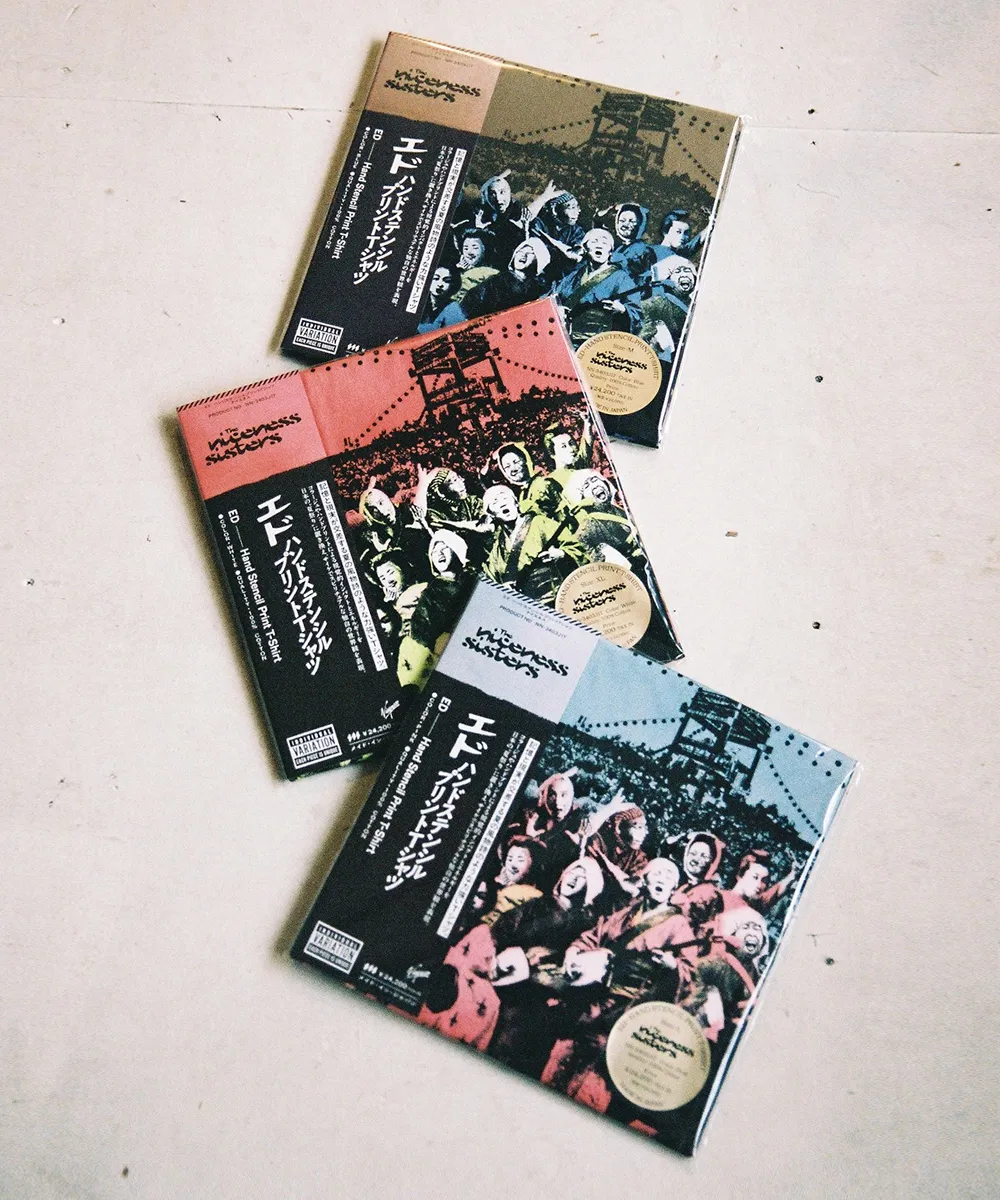
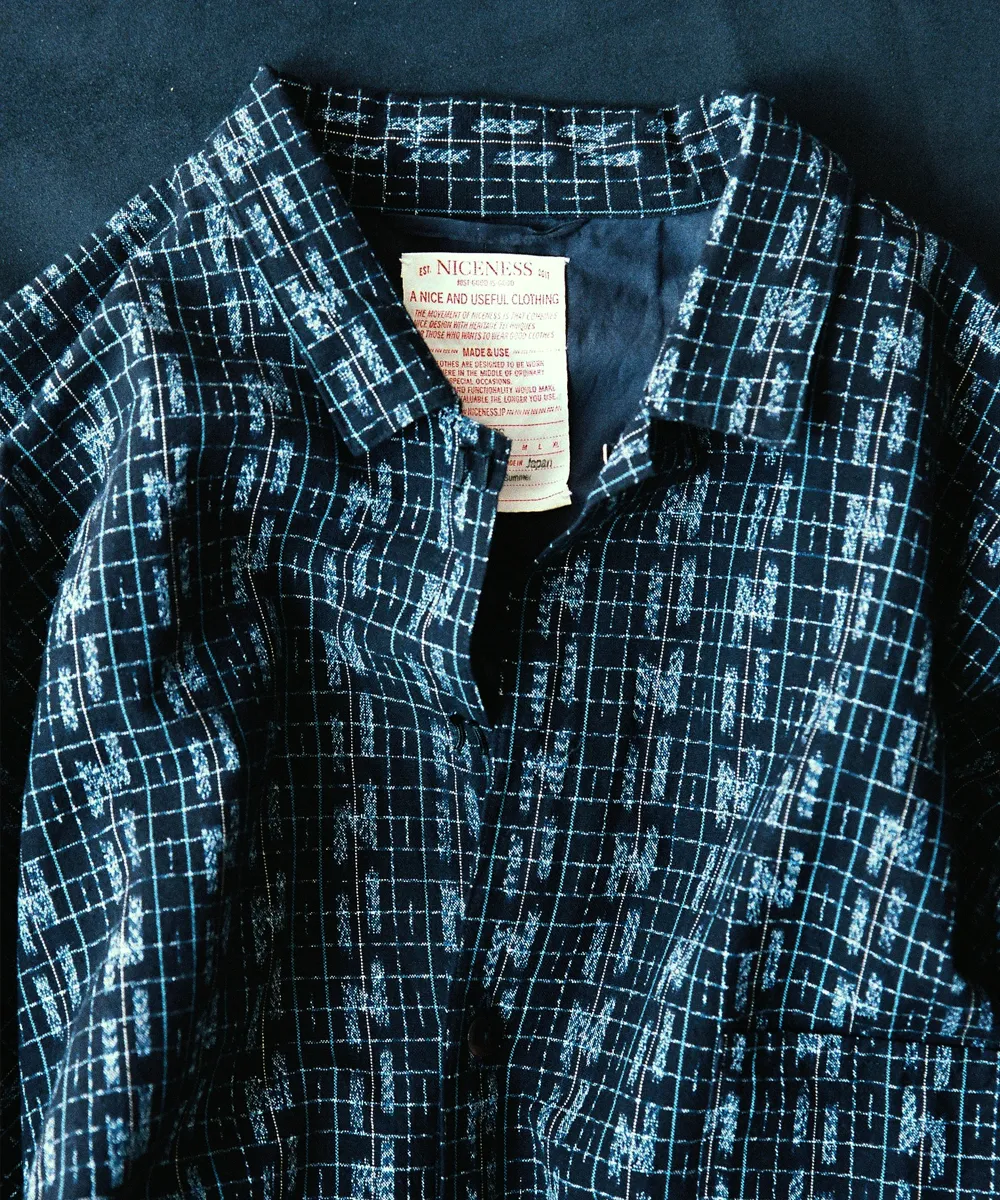
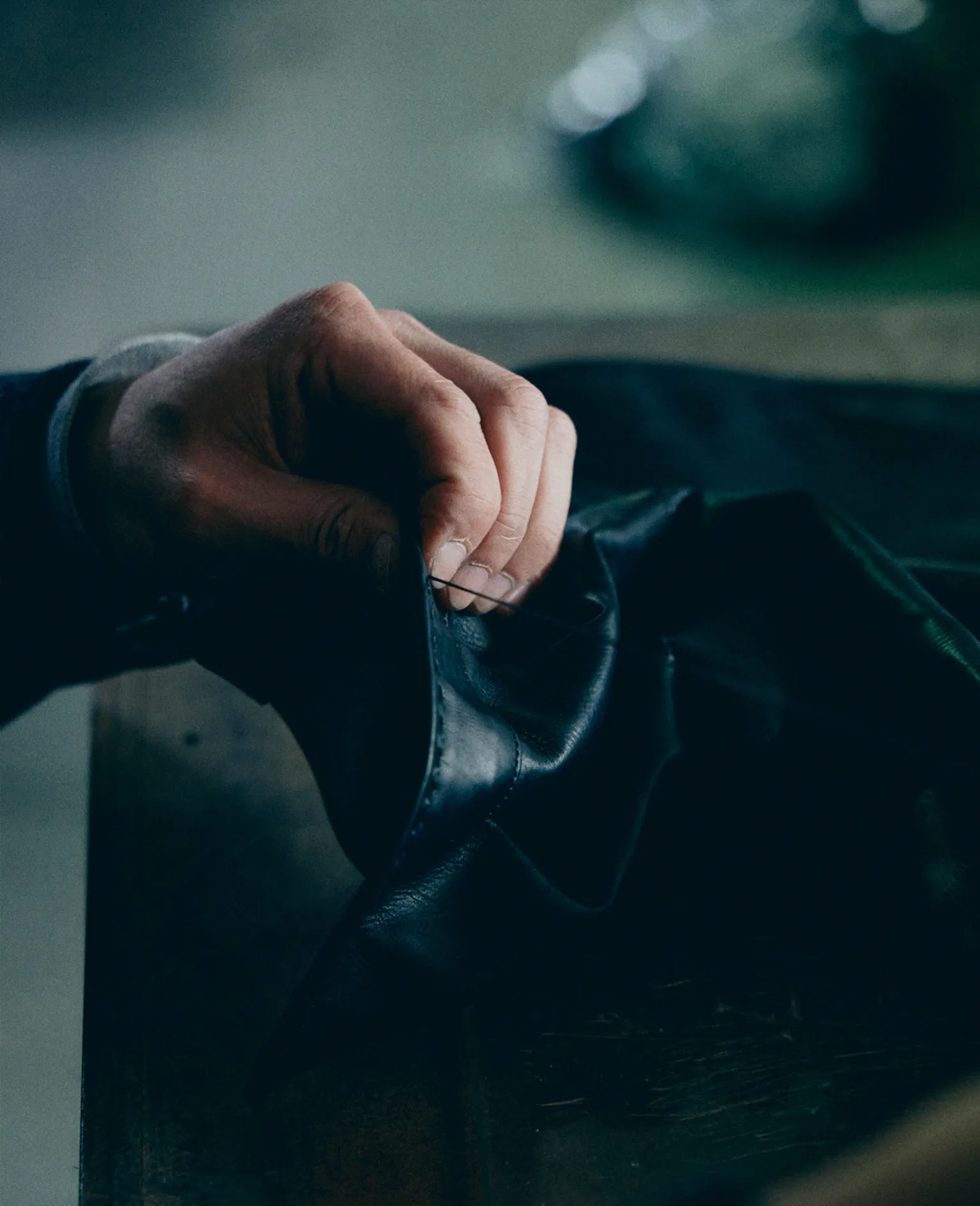
At NICENESS, we too have always believed in making things by hand, investing time and care into every piece. Objects that continue to resonate even after passing through the filter of time.
Our conversation with Yojiro Imasaka was a reminder of those origins—of why we make things in the first place.

You Can’t Lie to Yourself
NN:What principles or philosophies do you value most in your practice?
Yojiro Imasaka: To create something that endures beyond its own time. That idea is always at the center of what I do. It requires constantly questioning myself and refusing to compromise.
Equally important is considering how what I want to express can be communicated through photography. Thinking about how an image becomes a message is the essential starting point of every project.
I don’t do any commercial photography, so I don’t have clients. If you have a client, you are making something for someone else, and if the client approves, then the work is considered successful. My situation is the exact opposite. Everything depends on whether I can truly accept the result myself.
Naturally, that means spending a great deal of time in dialogue with myself. There is no room for compromise. Since I am effectively my own client, I know immediately when I am not being honest. What matters is continually asking whether I am creating something that can remain meaningful beyond the present moment.
NN:How do you spend most of your time during the creative process?
Yojiro Imasaka: People often ask that question, but the truth is that most of my time is spent thinking.
I constantly question myself, clear my mind, and revisit what it is I am actually trying to communicate. More time is spent contemplating the essence of the work than on photographing or producing it.
Once that becomes clear, I focus on refining the techniques that can best express those ideas. At the same time, I continue learning—whether that involves photographic processes, chemistry, or the preparation of the solutions used in my work. There is always something new to understand.
NN:What kind of message do your works seek to convey?
Yojiro Imasaka: My primary subject is landscape—natural environments.
People often assume that means I’m not particularly interested in human beings, but the opposite is true. Through landscape, I want to express human existence itself—our history, our culture, and the future that emerges from them.
I think nature offers an extraordinarily effective measure through which we can observe ourselves from a broader perspective. It allows us to step back and consider what it means to exist within a much larger continuum.
What Remains Through the Filter of Time
NN:What does “value” mean to you?
Yojiro Imasaka: Value is something that remains, even after passing through the filter of time.
When it comes to art, it’s difficult to define the value of my own work in a single sentence. But for me, value lies in what can be carried forward into the future. It’s about leaving behind a record that says, there was someone who saw the world in this way, at this moment in history.
A hundred or two hundred years from now, if people can look at my photographs and recognize that there was once a perspective like this—that someone viewed the world through this lens—then I feel I will have accomplished something meaningful.
NN:Who do you think determines value?
Yojiro Imasaka: That’s a very difficult question.
I love photography deeply, and I believe there is tremendous value in experiencing the world through the medium of photography. Of course, my work reflects my own way of seeing, but it is also possible for that perspective to become someone else’s.
When even a small point of empathy crosses over and overlaps between people, a form of value is created. It doesn’t end as mere self-satisfaction.
In that sense, value is something I determine, but it is also determined by others—by those who view the work. Perhaps it is something we all decide together.
NN:In the art world, the relationship between value and money is often discussed. How do you see that connection?
Yojiro Imasaka: There are many ways to approach that question.
Certainly, there are people and systems that assign value and translate it into monetary terms. But beyond that, there is another kind of value—something that remains as a record, or lives on in memory.
That is one reason why museums are so important to me.
Several museums have acquired my work, and knowing that it exists in places dedicated to preserving and transmitting culture gives me great meaning. The idea that my work can remain in a public context, accessible to future generations, matters deeply to me.
Of course, money cannot be ignored. As an artist, if I cannot pay rent, I cannot continue creating. Financial realities are unavoidable.
But to me, that exists on a different channel. It is necessary, certainly, but distinct from the reasons I make work in the first place.
Uniqueness Already Exists Within You
NN:How do you think about originality?
Yojiro Imasaka: I think one of the fundamental sources of originality is the environment in which a person is raised. That foundation is continually updated and layered with new experiences throughout life, and those accumulated experiences eventually become something unique.
In the art world, there are many people who consciously try to be different or intentionally pursue originality. And of course, that is possible. But ultimately, I think originality is simply the person themselves.
Everyone has a different background. In that sense, there is no need to overthink it.
What is unique about someone already exists within them. The important thing is learning to recognize it.
That is actually one of the reasons I live in New York.
The city is filled with people from vastly different backgrounds, and being surrounded by them allows me to see myself more clearly, almost as if they were mirrors. The environment I grew up in, the things I have seen, the things I have felt—expressing those experiences is what ultimately leads to originality.
Human Beings Are the Most Analog of All
NN:What led you to begin working with wet-plate photography?
Yojiro Imasaka: There was actually a class on it when I was at university, but I had absolutely no interest in it at the time. I remember thinking I would never do it in my life.
Then, shortly before the pandemic, I found myself questioning what my own form of expression truly was. During that period of self-reflection, I began to feel that wet-plate photography might be the medium best suited to what I wanted to communicate.
One of the most interesting experiences during the pandemic was the rise of virtual gatherings over Zoom. It felt strange and unnatural. That experience made me realize something important.
Human beings are the most analog beings of all.
Every year, new devices promise longer battery life, higher resolution, and greater convenience. Yet human beings still need to sleep. We still need to eat. No matter how advanced the technology around us becomes, we remain fundamentally unchanged.
Once I recognized that, I became even more aware of how important physical connection and emotional exchange truly are.
For me, wet-plate photography is similar to the difference between an email and a handwritten letter. When there is something you genuinely want to communicate, it deserves time and care.
A handwritten letter is never perfect. Human beings are not perfect. We make mistakes. We cross things out. We use imperfect grammar. But that imperfection is precisely what matters.
When you sit in front of a blank sheet of paper with a pen in your hand, you cannot help but think about the person who will receive it.
That time spent considering how best to communicate with another person is incredibly important.
The same is true when creating work. Thinking deeply about the person who will eventually encounter it is part of the process itself.
A Countermovement Is Emerging
NN: In an age dominated by digital technology, do you feel that the concepts of authenticity and value are changing?
Yojiro Imasaka: In contemporary society, where trends and information move at extraordinary speed, I do feel that those concepts have, in some ways, become diluted from their original meanings.
At the same time, however, I sense a countercurrent beginning to emerge. More and more people seem to be recognizing it.
I don’t believe in rejecting new things outright, nor do I think it makes sense to approach innovation with the mindset that anything new must be bad. Human beings create. We innovate. We naturally seek greater convenience. Maintaining an openness toward new technologies and ideas is important.
Yet human beings themselves remain fundamentally analog. And as long as that remains true, there will always be things that can only be communicated through analog approaches.
My feeling is that the further digital technology advances, the more value highly analog practices—such as wet-plate photography—will gain as a counterbalance.
Finding the right balance between the two may be one of the most important challenges of our time.
I pay attention whenever a new iPhone is released. The lenses become more sophisticated, the image quality improves, and video capabilities have reached a point where entire films can be shot on a phone. That is the era we live in.
At the same time, it is equally true that older tools possess a certain character.
What fascinates me is the question people continue to ask: What exactly is that character?
That question matters.
I cannot dismiss new technology. But what I need as an artist happens to be different. It is not that I deliberately chose old methods; rather, the things that resonated with me happened to come from another time.
The Filter of Time Will Become Even More Important
NN: Looking ahead, what kinds of culture or values do you hope will be preserved and passed on?
Yojiro Imasaka: In a society where everything seems to change at an accelerating pace, I feel that the filter of time will become increasingly important.
The products, technologies, and systems created through innovation undoubtedly make our lives richer and more convenient. I have no desire to deny that.
But if we look closely at the things we continue to keep, wear, use, and live with over long periods of time, there is always a reason.
That reason may be personal attachment. But often it is also connected to quality, to ideas we believe in, or to values and concepts that continue to resonate across generations.
To communicate with someone, you first have to see them.
The moment we forget that the person on the receiving end is also human, we lose sight of who we are speaking to, and our message loses its direction.
There is a kind of warmth that exists within inconvenience and imperfection.
People often say that “God is in the details,” and I believe that is true. When something has been made with genuine care, when real thought and intention have gone into its creation, people can feel it—whether they are seeing it, touching it, eating it, or hearing it.
I hesitate to simply call it “analog,” but the connections between people are something we should never lose.
In many ways, the pandemic reminded us of that.
Objects and ideas that continue to endure—even after passing through the filter of time—represent, to me, the deepest forms of value and authenticity in this era.
And I believe that a culture of making rooted in those principles is something we have a responsibility to pass on to the next generation.
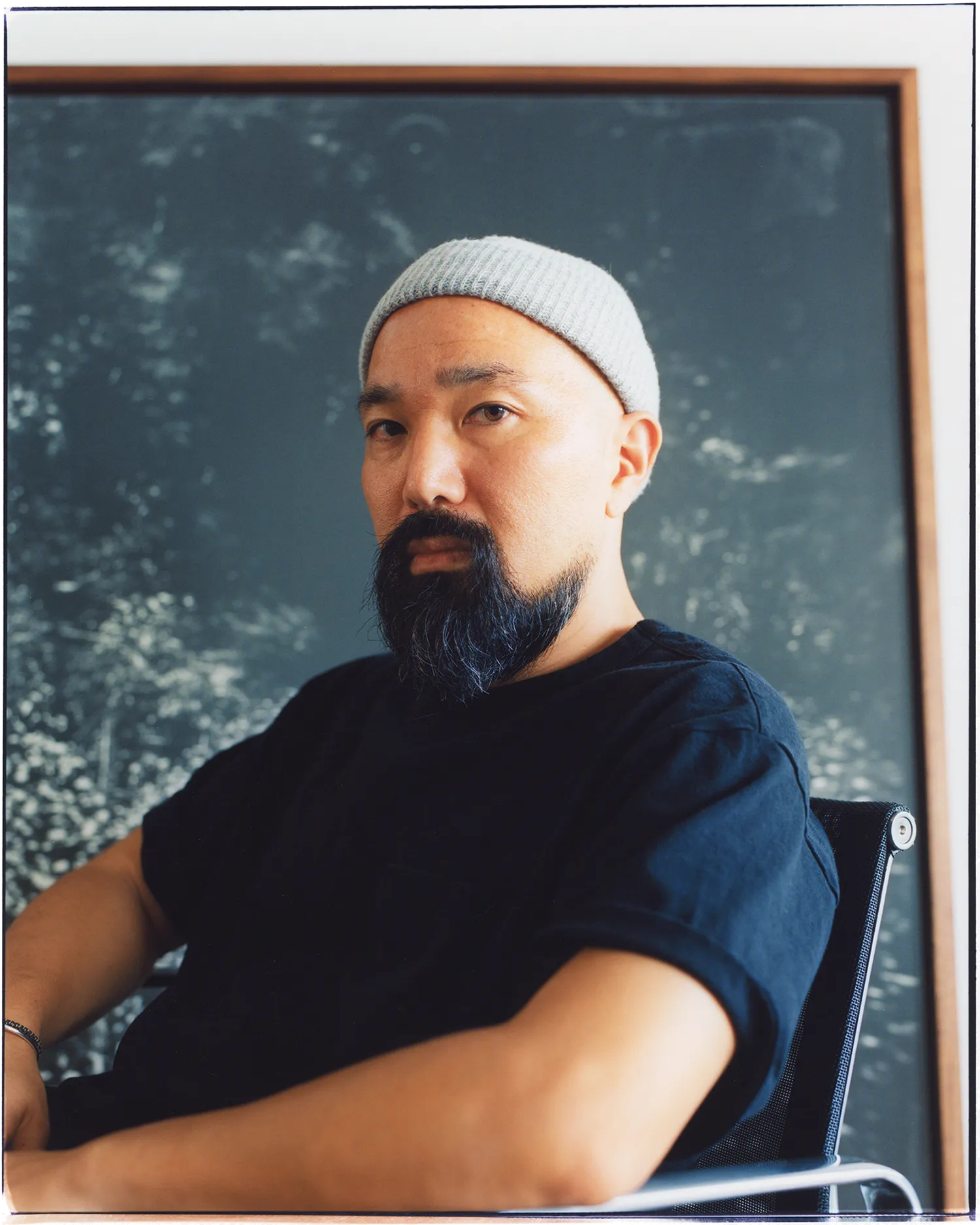
Yojiro Imasaka
Born in Hiroshima, Japan, in 1983.
After graduating from the College of Art at Nihon University, Yojiro Imasaka moved to the United States and earned his MFA from Pratt Institute in New York. Based in Brooklyn, he works primarily with the wet-plate collodion process, a nineteenth-century photographic technique in which images are fixed directly onto glass plates.
Through this distinctive medium, Imasaka creates works that visualize layers of time and memory. His photographs have been exhibited extensively in both solo and group exhibitions throughout North America and Europe, and in recent years he has expanded his activities within Japan as well.
His works are included in the collections of major museums, primarily in the United States.